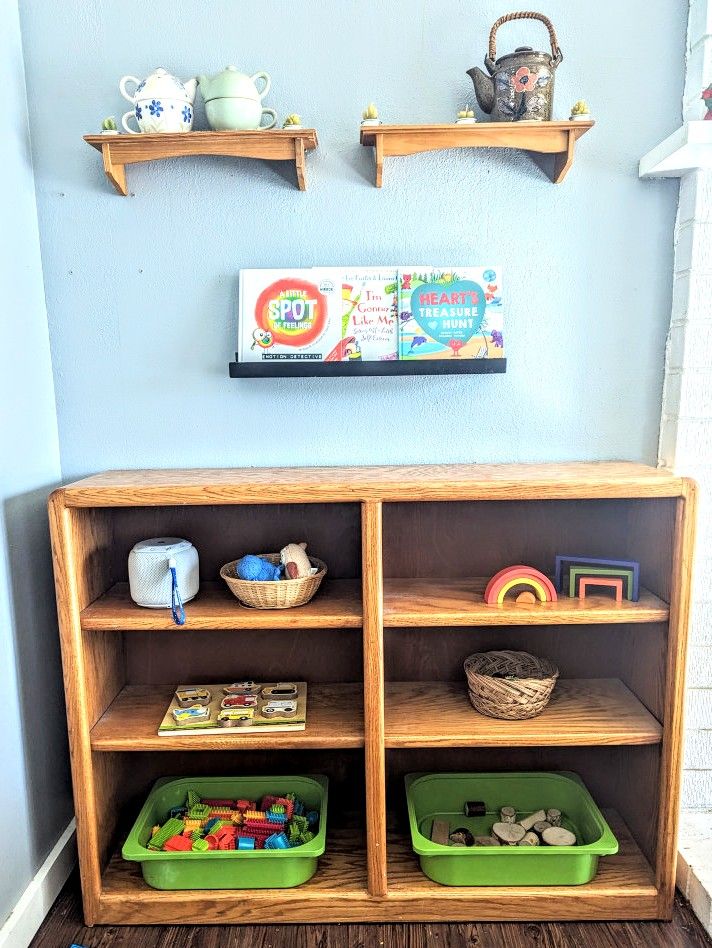
As a home daycare owner, I’ve come to appreciate the profound impact minimalism can have on both the environment and the children in my care. It’s easy to feel overwhelmed by the endless sea of toys, gadgets, and supplies that seem to define modern childhood. However, embracing minimalism can lead to a more enriching, calming, and educational experience for children. In this post, I aim to share the benefits of minimalism in a childcare setting, drawing on my personal experience and insights from experts.
Understanding Minimalism in Childcare
Minimalism, at its core, is about intentionally simplifying our environment to focus on what truly matters. For childcare, this means creating spaces that are uncluttered, purposeful, and filled with items that spark imagination and learning rather than overwhelm.
By simplifying, we protect the environment for childhood’s slow, essential unfolding of self.
Kim John Payne, author of Simplicity Parenting
Benefits of Minimalism in Childcare
- Enhanced Focus and Creativity:
Clutter can be distracting for young minds. When children are surrounded by fewer, more meaningful toys and materials, they can engage more deeply with what they have. This fosters creativity and encourages imaginative play. “Children need room in their schedules and space in their lives to play, to dream, to connect with their families and communities,” Payne reminds us. By reducing excess, we provide that space. - Improved Behavior and Emotional Well-Being:
A clutter-free environment can reduce anxiety and overstimulation in children. Simplified spaces are calming, which helps children feel more secure and less overwhelmed. According to Joshua Becker, a prominent voice in the minimalist movement, “Minimalism is the intentional promotion of the things we most value and the removal of everything that distracts us from it.” In childcare, this means creating an atmosphere where children can thrive emotionally and socially. - Encourages Independence and Responsibility:
When children have fewer toys and materials, they learn to take better care of their belongings. This fosters a sense of responsibility and independence. Cleaning up and organizing becomes less daunting, which can empower children to take part in maintaining their environment. - Promotes Sustainable Values:
Teaching children about minimalism also instills values of sustainability and appreciation for what they have. They learn that happiness and fulfillment don’t come from abundance but from meaningful experiences and relationships.
Implementing Minimalism in Your Childcare Center
For those of you considering this approach, here are some practical steps to get started:
- Declutter Regularly: Periodically review the toys and materials in your daycare. Remove items that are broken, rarely used, or redundant.
- Choose Quality Over Quantity: Invest in high-quality, versatile toys that encourage open-ended play. Wooden blocks, art supplies, and nature-inspired toys are great examples.
- Create Rotating Toy Libraries: Instead of having all toys available at once, rotate a selection of toys every few weeks. This keeps the environment fresh and stimulating without overwhelming the children.
- Simplify the Schedule: Minimize structured activities to allow more free playtime. This fosters creativity and lets children explore their interests at their own pace.
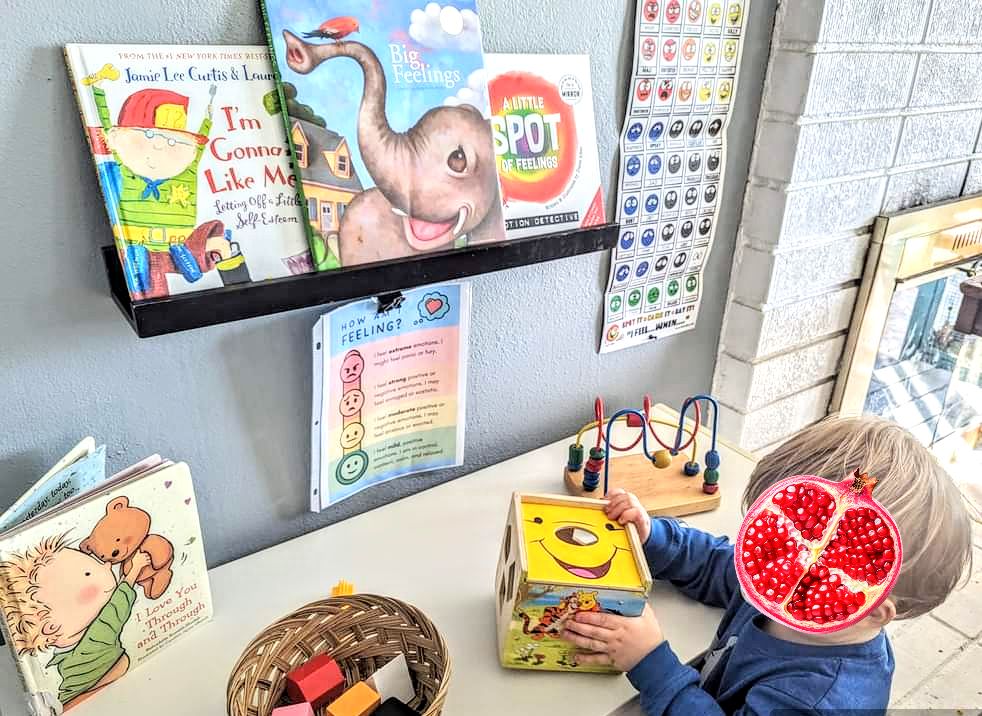
I understand that as parents and caregivers, you want the best for your children. It’s natural to want to provide them with everything they might need or want. However, it’s important to remember that less can truly be more. By simplifying their environment, we give children the space and opportunity to develop essential life skills and enjoy a deeper, more meaningful childhood.
Final Thoughts
Embracing minimalism in a childcare setting is not just about reducing physical clutter; it’s about fostering an environment that supports the emotional and developmental needs of children. As Kim John Payne puts it, “Simplification is often a path to greater health and happiness.” By adopting minimalist principles, we can create a nurturing space where children can truly thrive.
I hope that you can find some value in simplifying your environment, creating spaces that are not only simpler but richer in experiences and learning opportunities for ourselves and our children.
 Rooted Mamas Muse
Leave a comment